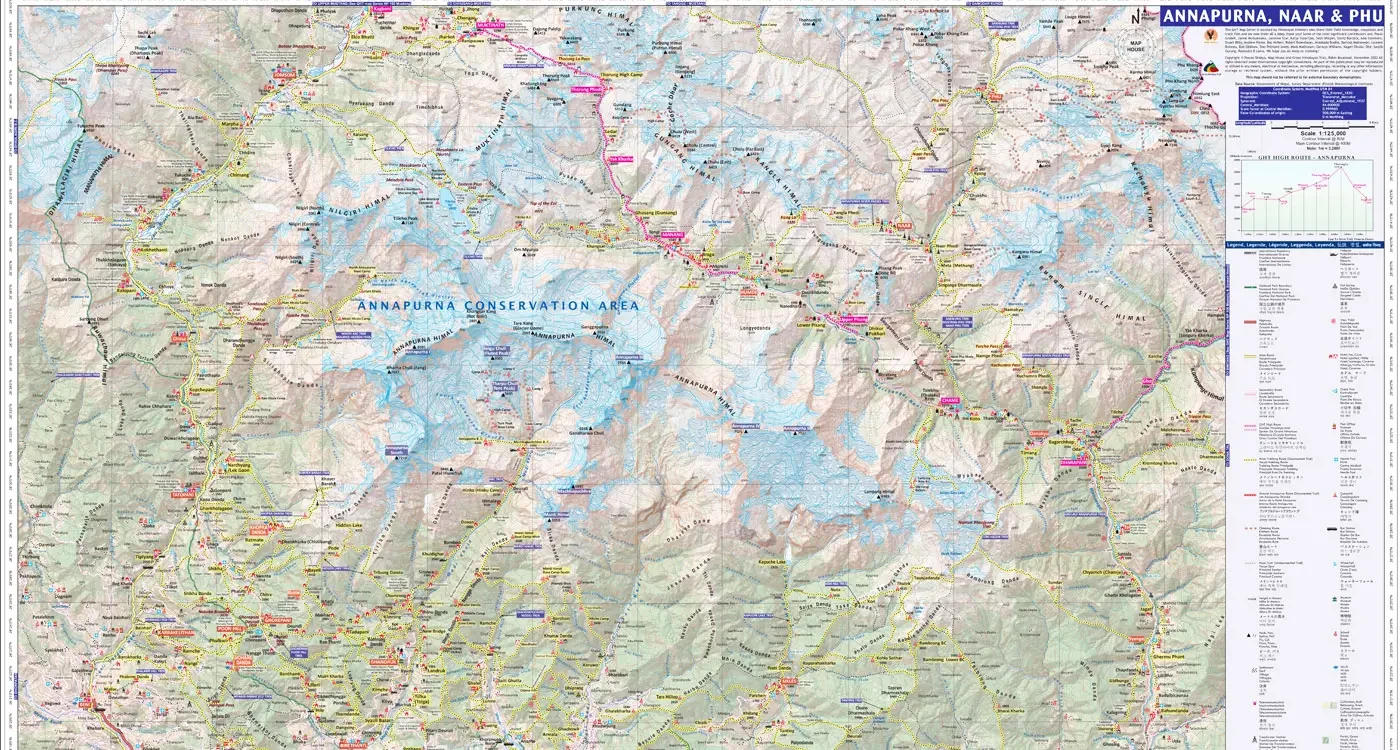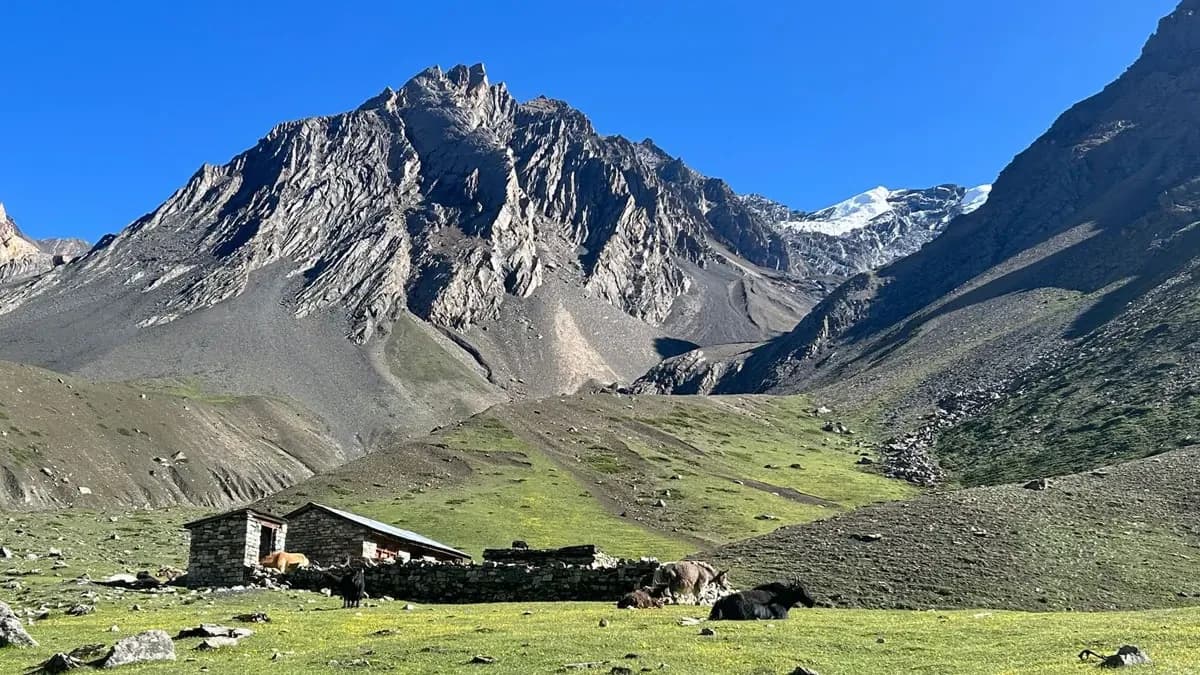
The Nar Phu Valley Trek is a moderate to challenging 10-days journey into one of Nepal's most remote trekking regions in the Annapurna area. The trail leaves the Annapurna Circuit at Koto and follows the Nar Khola through narrow canyons and rugged landscapes to the traditional villages of Phu and Nar.
The trek combines Tibetan-influenced culture, ancient monasteries, remote mountain villages and the spectacular crossing of Kang La Pass (5,320 m) before descending toward Ngawal. Because Nar Phu is a restricted trekking area, trekkers need the appropriate permits and must follow Nepal's current restricted-area trekking regulations.
Opened to foreign trekkers only in 2002, the Nar Phu Trek remains one of the best off-the-beaten-path treks in Nepal for travelers looking for wilderness, culture, and a quieter Himalayan experience. For trekkers searching for a remote Himalayan trek in Nepal with fewer crowds and strong cultural depth, the Nar Phu Valley Trek package is a rewarding choice.
Nar Phu Valley Trek Highlights
- Explore the remote and culturally rich Nar and Phu Valleys in the Annapurna region.
- Experience authentic Tibetan-influenced culture and traditions in the traditional villages of Nar and Phu.
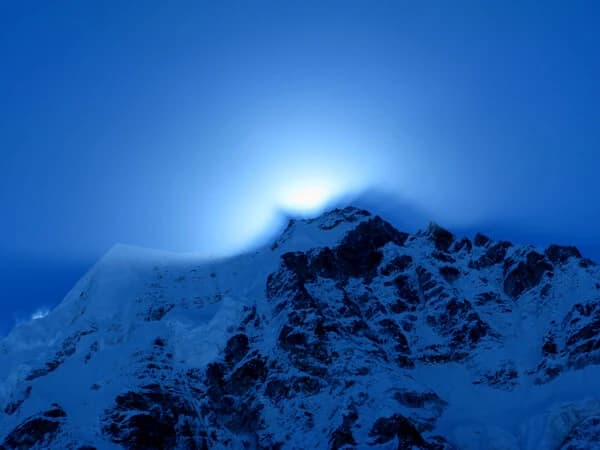
- Cross Kang La Pass (5,320 m) and enjoy spectacular panoramic views of the Himalayas.
- Trek through a restricted and less-visited region of Nepal with a licensed guide.
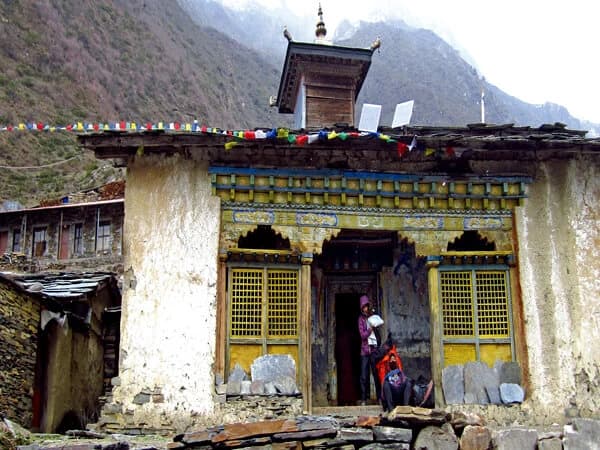
- Discover ancient monasteries, chortens, mani walls, prayer flags, and traditional stone-built villages.
- Walk through deep gorges, narrow valleys, pine forests, suspension bridges, and rugged Himalayan trails.
- Spend a memorable night at Nar Phedi Monastery and experience the peaceful atmosphere of Himalayan monastic life.
- Follow a flexible itinerary that can be tailored to your available time, fitness level, and travel preferences.
- Extend your adventure by combining Nar Phu Valley trek with Annapurna Circuit and exhilarating Thorong La Pass.
Why Choose the Nar Phu Valley Trek?
The Nar Phu Valley Trek is special because it combines wilderness experience, Tibetan-influenced culture, ancient wooden roof villages, and high-altitude adventure in one journey. Unlike many popular trekking routes in Nepal, Nar Phu valley still feels remote and less commercialized.
This trek is ideal for travelers who want more than mountain views. You walk through villages where daily life is shaped by Buddhism, farming, animal herding, seasonal trade, and centuries-old Himalayan traditions. The trail also offers a strong sense of adventure, especially after leaving the main Annapurna Circuit route at Koto and entering the restricted Nar Phu Valley area.
For trekkers comparing Nepal trekking packages, this route is a strong choice if you want culture, quiet trails, mountain scenery, and a guided restricted area trek with real local character.
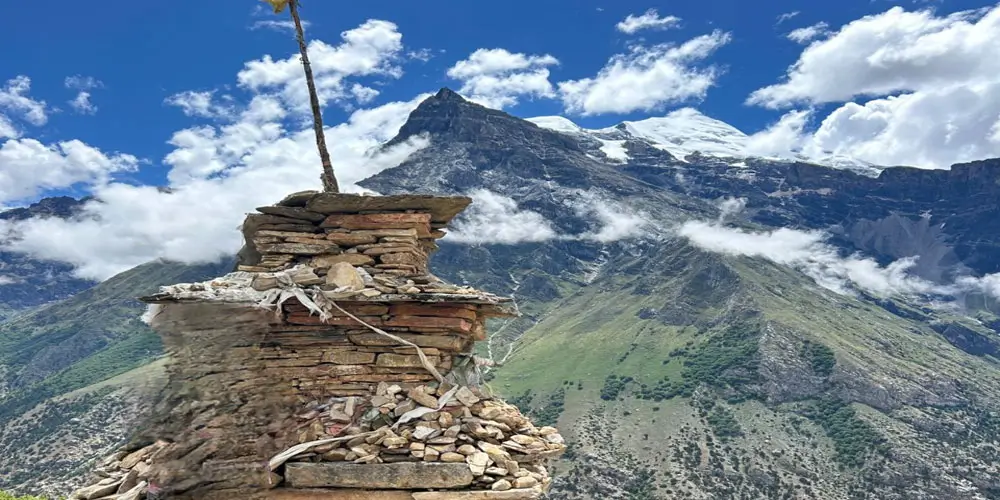
Nar Phu Valley Trekking Route
The Nar Phu Valley Trekking Route begins from Kathmandu with a scenic drive toward Besisahar and Dharapani. From there, the trail follows part of the classic Annapurna Circuit route until Koto, where the journey turns into the remote valleys of Nar and Phu.
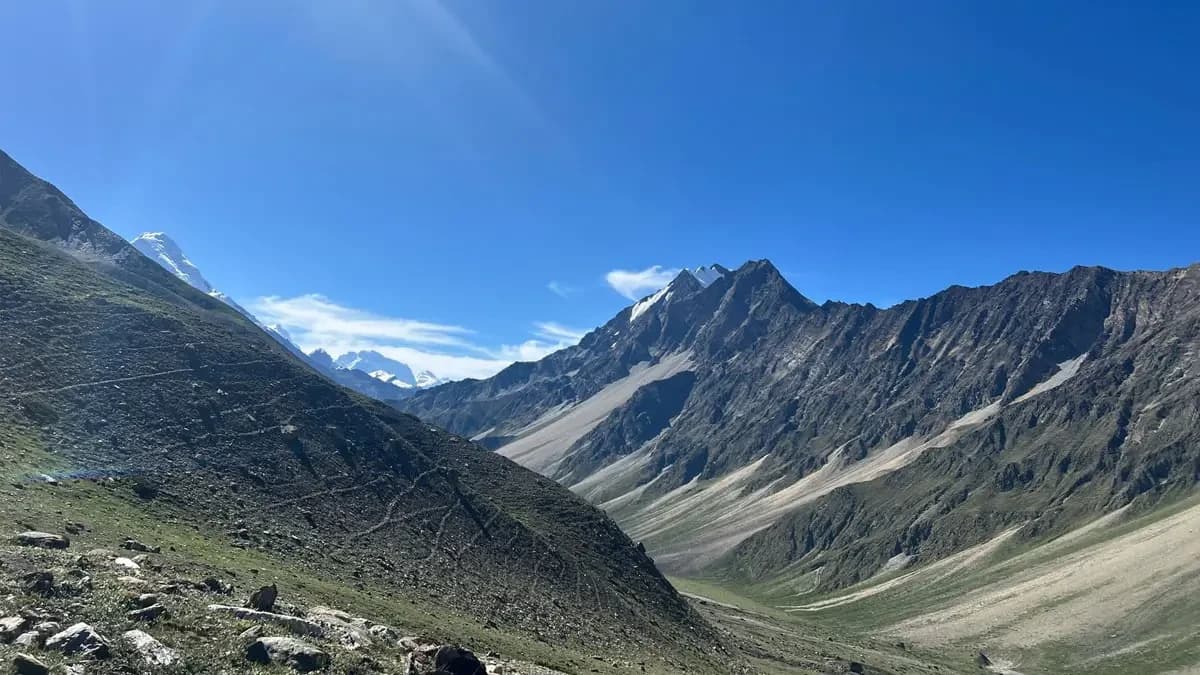
From Koto, the route follows the Nar Khola through narrow canyons, forests, suspension bridges, rocky trails, and quiet Himalayan settlements. As you move deeper into the valley, the landscape becomes wilder, the villages more isolated, and the culture more strongly influenced by Tibetan Buddhism.
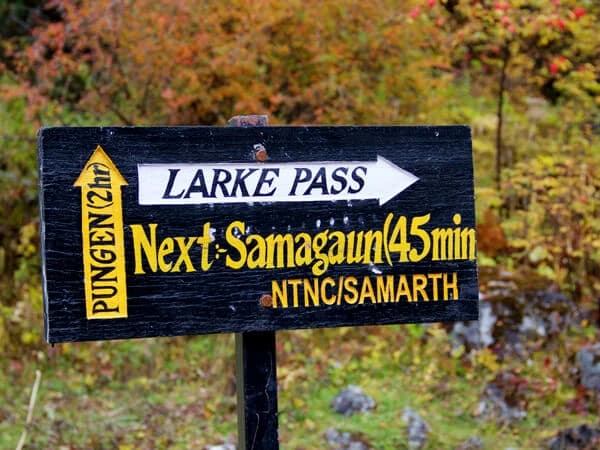
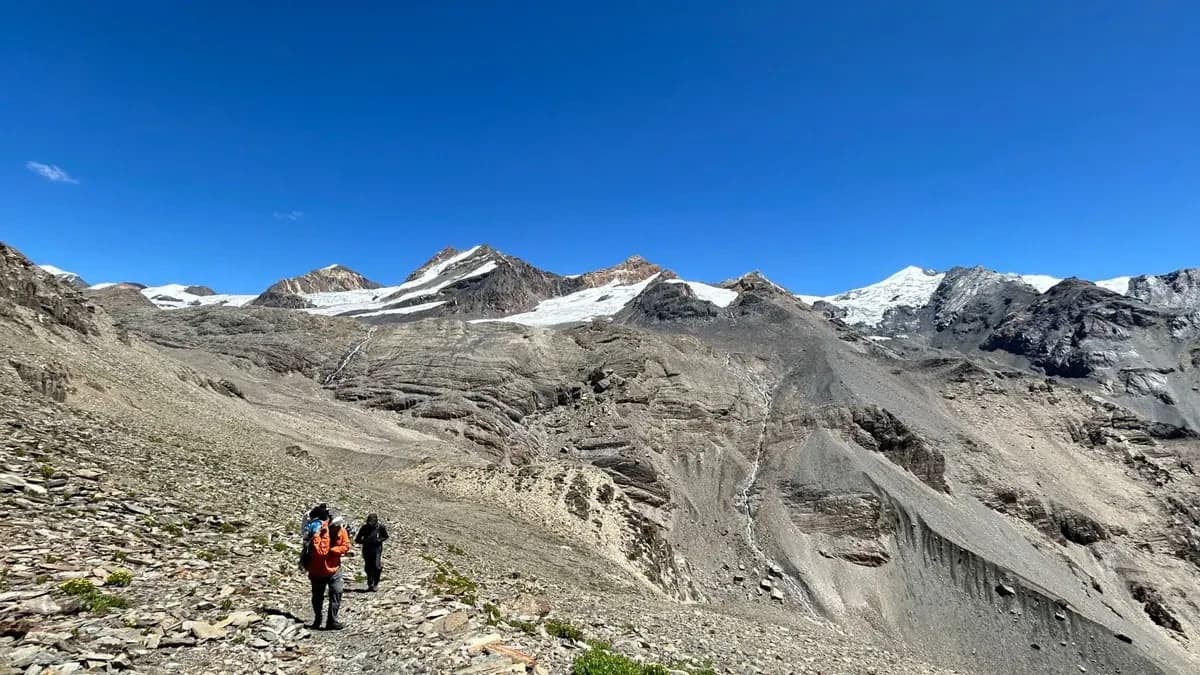
The trek continues to Meta, Phu Village, Nar Phedi, and Nar Village before crossing Kang La Pass. The Kang La Pass trek is one of the main highlights of the journey. From the Kang - la top, trekkers can enjoy magnificent views of Annapurna II, Tilicho Peak, Gangapurna, and surrounding Himalayan peaks before descending to Ngawal.
From Ngawal, the route can either return toward Chame and Kathmandu or continue toward Manang for the Annapurna Circuit. You can extend your adventure to Thorong La Pass, Muktinath, Kagbeni, Jomsom, and Pokhara.
Nar Phu Valley Trek Difficulty
The Nar Phu Valley Trek is generally considered moderate to challenging. The trek includes long walking days, remote trails, high-altitude villages, limited facilities in some sections, and the crossing of Kang La Pass (5,320 m).
The difficult part of the Nar and Phu Valley trek is crossing Kang - La pass, where high altitude, cold temperature, long ascent and descent make the day particularly demanding. The trails is not technical but altitude and terrain required good fitness. The Kang-la pass is demanding than Thorong- la pass in Annapurn Circuit. The trek is achievable with a professional local guide for safety, navigation, altitude awareness.
Best Time for Nar Phu Valley Trek
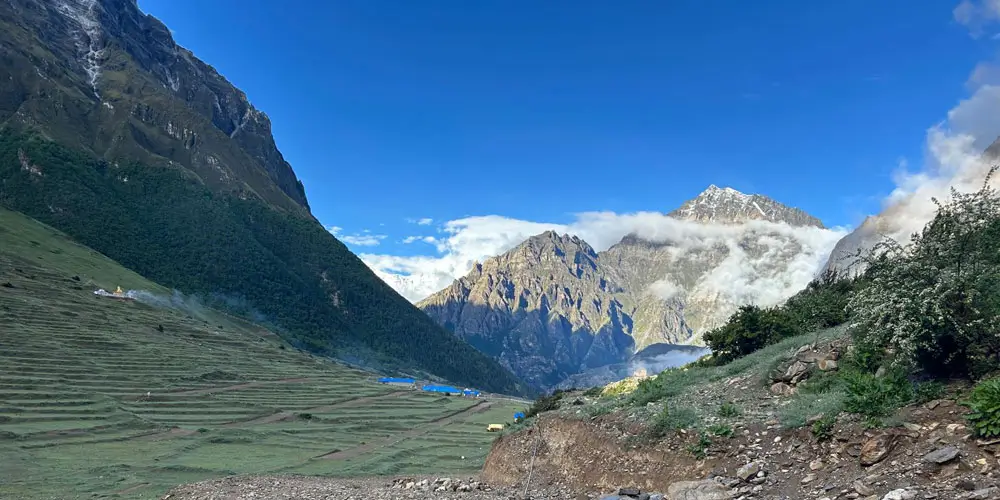
The best time for Nar Phu Valley Trek is generally spring and autumn. These seasons usually offer better mountain visibility, more comfortable trekking trails conditions, and a more enjoyable trail experience.
Autumn, especially September to November, is one of the most popular trekking periods in Nepal. Spring is also a good season for trekkers who enjoy clearer trails, pleasant temperatures, and changing mountain landscapes.
Winter and monsoon treks may also be possible depending on weather, trail conditions, transport access, and local advice. Because Nar Phu is a remote restricted area trek, we recommend checking updated conditions before confirming your departure date.
Nar Phu Valley Trek Cost and Itinerary
The cost of the Nar Phu Valley trek vary depending on group size, travel dates, mode of transportation, accommodation and the services you choose for the trek. At Global Eco Trails, we believe clear pricing helps you plan your Nar Phu Valley Trek with confidence. Whether you are traveling independently, couple or with a larger group, we can arrance the trek according your preferred dates and time.
Global Eco Trails offers the group price as following.
- 8–10 trekkers: US$599 per person
- 5–7 trekkers: US$725 per person
- 2–4 trekkers: US$799 per person
- Solo trekker: US$999 per person
The Nar Phu Valley Trek itinerary is carefully designed to balance trekking, acclimatization, cultural exploration, and spectacular Himalayan scenery. The acclimatization day in Phu Village provides valuable time to adjust to the altitude while exploring the traditional village, ancient monastery, Humlung base camp and surrounding mountain landscape.
Every trekker has different mission and vision, experience, and fitness levels, so the Nar Phu Valley Trek itinerary can be customized to suit your preferences. At Global Eco Trails, we have crafted a 10 - days itinerary that includes an acclimatization day in Phu Village, allowing you to experience the highlights of the Nar Phu Valley at a comfortable pace.
However, this is not a fixed itinerary. If you have more time or would like to adjust the pace, trekking duration, or route, we are happy to discuss your preferences and create a personalized itinerary for your Nar Phu Valley adventure.
Nar Phu Valley Trek Permit and Fee
The Nar Phu Valley Trek requires a special restricted-area trekking permit because Nar Phu lies within Nepal’s restricted trekking zone. The permit is issued through the Department of Immigration in Kathmandu and must be arranged through a registered trekking agency. You must also be accompanied by a licensed guide and carry the required TIMS card.
Your trekking agency (Global Eco Trails) can arrange the required permits and documentation before you enter the restricted area.
| September to November | 100 USD per person per week, there after 15 USD per person per day. |
| December to August | 75 USD per person per week, and thereafter 15 USD per person per day. |
| Annapurna Conservation Entry Fees | 27 USD per person for single entry |
| Trekkers Information Management Systems (TIMS-Card) |
17 USD per person for single entry |
Permit rules and fees can change, so we recommend confirming the latest Nar Phu Valley Trek permit details before booking.
If you are interested in traditional Bon Po culture, Nar Phu Valley offers more than stunning mountain scenery. Discover the unique Tibetan Buddhist culture of remote Nar Phu Valley with an experienced local guide who can bring its traditions, history, and customs to life. With our affordable trekking packages, knowledgeable guides, and local expertise, you can experience restricted area trek in the Himalayan region with confidence. Join us and make your Nar Phu adventure truly unforgettable.