The Manaslu Tsum Valleylies to the north-west of Kathmandu in the Gorkha District, within the Manaslu Conservation Area, bordering the Tibetan Autonomous Region of China. This remote Himalayan region is one of Nepal’s most sacred trekking destinations, deeply rooted in Traditional Tibetan Buddhism.
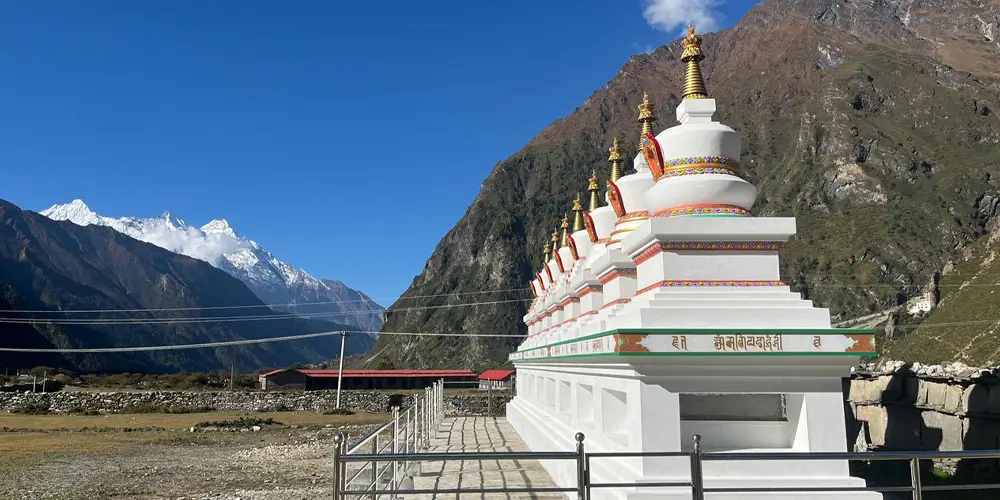
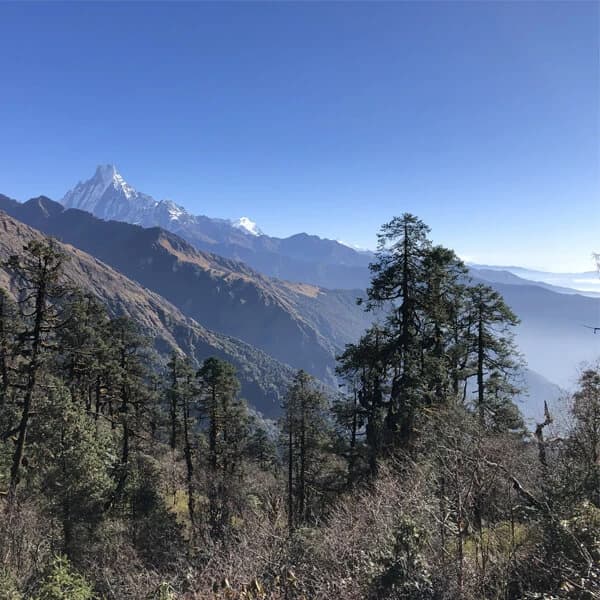
The word “Tsum” means “Land of Happiness”, symbolizing peace, compassion, and spiritual purity. The valley is accessible through the Manaslu Circuit combined with the Tsum Valley Trek, a journey that rewards trekkers with breathtaking Himalayan landscapes, rich cultural heritage, and centuries-old monasteries, waterfalls, decorated mani walls with prayers flags and chanting Mantra “Om Mani Padme Hun.” Along the trail, trekkers are treated to magnificent views of Mt. Manaslu (8,163 m), Ganesh Himal, Shringi Himal, Himalchuli, and Ngadi Chuli.
Spiritual and Cultural Significance of Tsum Valley
Tsum Valley is a land of spiritual pilgrimage sites, known for its ancient Bon tradition and well-preserved Tibetan Buddhist culture. Monasteries such as Mu Gompa and Rachen Gompa stand as living symbols of faith, learning, and meditation.
Often described as a living museum of Tibetan Buddhism in Manaslu Tsum Valley Nepal, the valley is adorned with mani walls, prayer flags, chortens, monasteries, Temples and sacred caves. These elements attract Buddhist pilgrims, cultural explorers, and trekkers seeking a deeper spiritual trekking experience in Nepal.
Tsum Nubri Cultural Heritage Sites
Historically, Tsum Valley was part of the Trans-Himalayan trade route connecting Nepal and Tibet, which explains the strong cultural and linguistic ties with Tibet. Traditional practices such as polyandry practice are still observed in some villages. The local inhabitants, known as the Tsumba people, speak a distinct Tibetan-origin dialect and follow a peaceful, non-violent way of life only exist in Manaslu Tsum Valley (Shyagya tradition).
According to Buddhist history, the great Tibetan yogi Milarepa meditated in this sacred valley, particularly around Mu Gompa and Rachen Gompa. It is believed that many hidden caves and retreat centers still exist along the mountain slopes, used by monks and nuns for long-term meditation.
Below are the most visited and spiritually important landmarks while trekking in Tsum Valley.
Major Monasteries and Sacred Sites in Tsum Valley Trekking
Mu Gompa (Mu Gumpa)
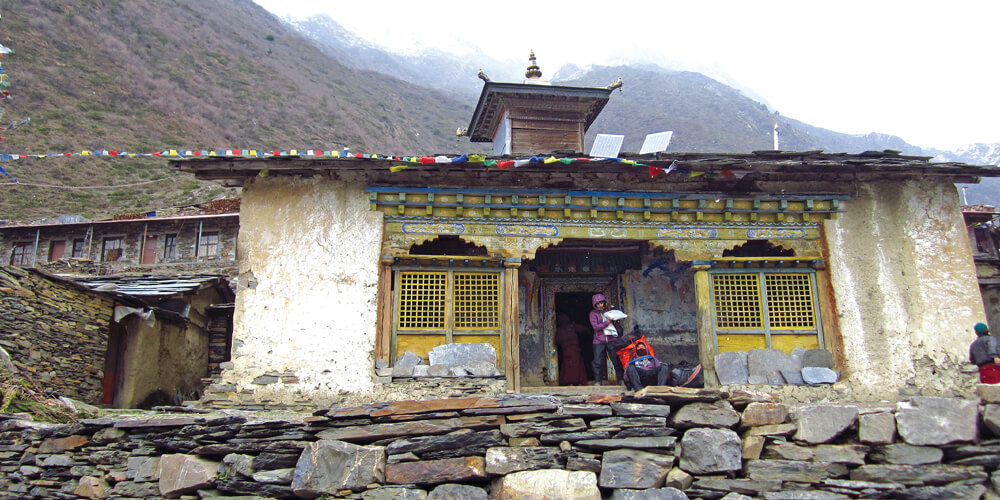
Tsum Valley Mu Gumpa
Mu Gompa is regarded as the most sacred and one of the oldest monasteries in the Tsum Valley, following the Gelugpa sect of Tibetan Buddhism. Located north of Nile village, it takes approximately 4–5 hours of walking to reach.
Mu Gompa serves as an important educational center, where monks and nuns study Buddhist philosophy, rituals, and scriptures throughout the year. Trekkers are welcome to stay overnightin the monastery, offering a rare opportunity to witness monastic life and evening prayers. From the gompa, visitors can enjoy breathtaking panoramic views of rolling hills and surrounding Himalayan peaks.
Rachen Gompa
Located in Chhokang Paro, Rachen Gompa is another highly significant monastery in the Tsum Valley. It is a nunnery (Ani Gompa) and also functions as a retreat center for spiritual practice.
The monastery is renowned for its beautiful mural paintings, traditional Tibetan Buddhist architecture, and peaceful surroundings. Like Mu Gompa, Rachen Gompa allows trekkers to stay overnight, offering an immersive cultural and spiritual experience in the heart of the valley.
Lungdang Gompa (Pema Samtenling Monastery)
Lungdang Gompa is a historic monastery situated at the base of the Ganesh Himal range and serves as a gateway for hikers heading toward the Ganesh Himal Base Camp.
Lungdang Gumpa- Intensive Tibetan Ritual and Meditation Center
Home to around 40 nuns, this monastery is known for its intensive rituals and meditation practices. Reaching Lungdang Gompa involves a steep ascent through pine, juniper, and rhododendron forests, making the journey both spiritually and physically rewarding. Visitors experience the pure Tibetan cultural lifestyle of the Tsum Valley people in its most authentic form.
Dephu Doma Nunnery Gompa
Dephu Doma Gompa is believed to be the earliest monastery in the Tsum Valley. Perched in a serene location, it offers stunning views of mountains, deep valleys, and rolling hills.
This nunnery showcases ancient Tibetan Buddhist scriptures, prayer halls, and traditional rituals. Trekkers can participate in evening prayers, providing a deeply moving cultural experience in one of the most remote corners of the Tsum Valley Trek.
Piren Phu Cave (Milarepa Cave)
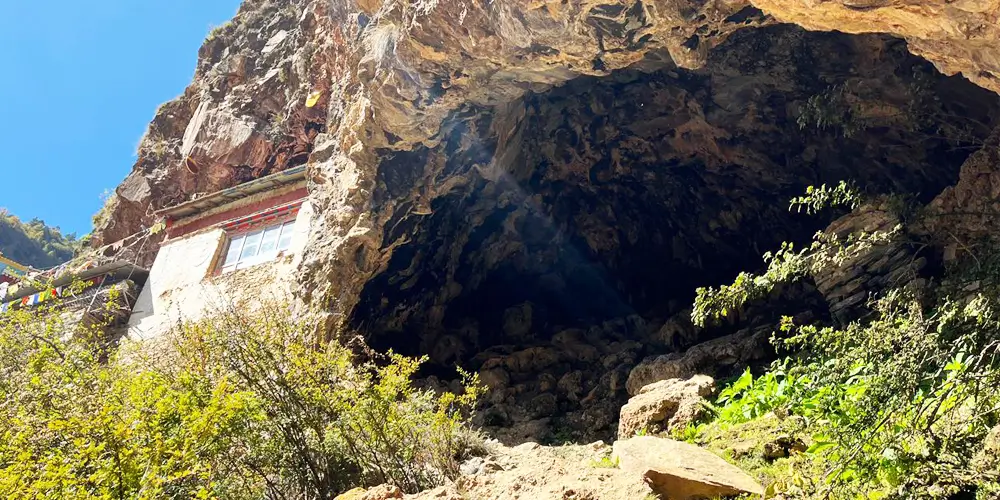
Situated above Lama Gaon, opposite the Langju Khola, and about two hours’ walk from Rachen Gompa, Piren Phu Cave is one of the most sacred pilgrimage sites in the region.
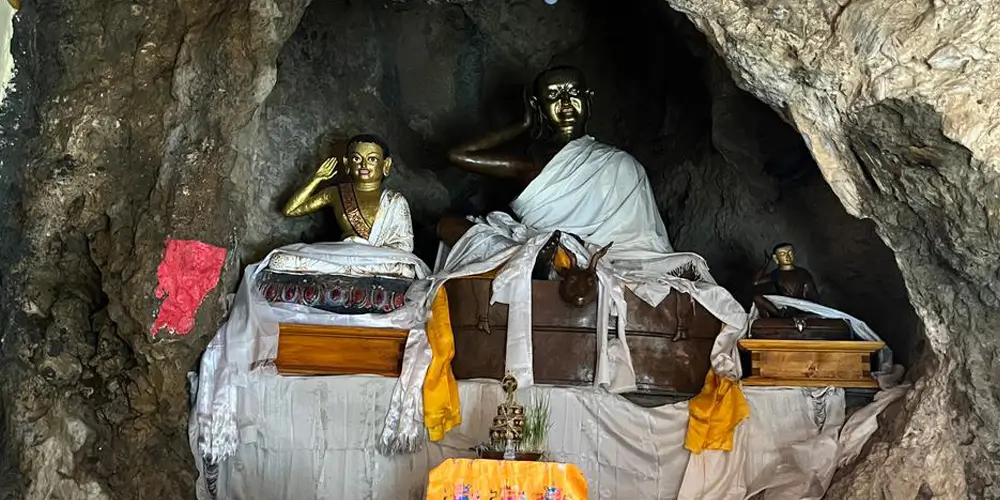
Yogo Milarepa Meditated here, called Milarepa Cave
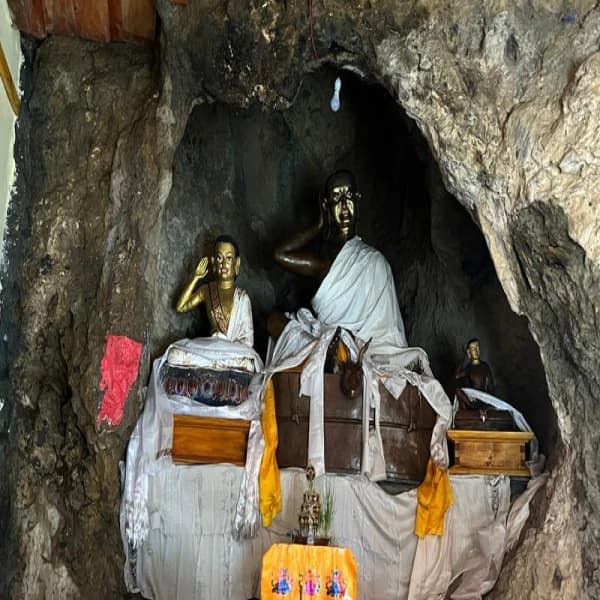
According to legend, the great Tibetan yogi Milarepa meditated in this cave, making it a powerful spiritual site. The cave contains ancient murals, meditation chambers, and stone carvings, offering trekkers a profound sense of history and devotion.
Serang Monastery (Serang Gompa)
Serang Gompa is a historic monastery located along the Manaslu Circuit Trail, approximately four hours’ ascent from Bihi village via a less-traveled path.
The site holds unique religious significance, as both Hindu sage Shringi Rishi and Milarepa are associated with the area. The monastery beautifully reflects the religious harmony of the Manaslu–Tsum region, featuring Buddhist paintings alongside Hindu spiritual influence. Its serene environment and mountain views make it a hidden spiritual gem.
The pagoda-style monastery stands as a symbol of harmony and shared heritage between Hindu and Buddhist cultures
Naksa Chhyoling Gompa
Naksa Chhyoling Gompa is another important spiritual site in the region, known for its vivid mural paintings, historical value, and peaceful ambiance. Though less visited, it offers insight into the artistic and religious traditions of Tibetan Buddhism in Tsum Valley.
Pungen Monastery In Manaslu Trails
Located near Sama Gaon at an altitude of approximately 4,000 meters, Pungen Monastery is an ancient Buddhist monastery with centuries-old spiritual significance.
Surrounded by glaciers and alpine landscapes, the monastery offers spectacular panoramic views of Mt. Manaslu and its base Camp. It is a peaceful place for meditation, Buddhist teachings, and reflection, often visited as a side trip during the Manaslu Circuit or Tsum Valley Trek.
The list of major monasteries in Tsum Valley Trekking highlights the spiritual heart of Nepal’s sacred Himalayan landscape. From the revered Mu Gompa and Rachen Gompa to remote retreat centers such as Lungdang Gompa and Dephu Doma Nunnery, each monastery reflects centuries of Tibetan Buddhist heritage and peaceful devotion.
Trekking through Tsum Valley offers more than scenic beauty—it provides a rare opportunity to walk ancient trade routes, explore sacred caves like Piren Phu (Milarepa Cave), and experience a living culture shaped by faith, compassion, and harmony. Surrounded by majestic peaks including Mt. Manaslu and Ganesh Himal, this hidden valley remains a sanctuary for spiritual seekers and cultural explorers. For those seeking true Himalayan Journey, Tsum Valley Monasteries will make this spiritual trekking a transformative experience in the heart of Nepal.
The Tsum Valley Wilderness Trek is one of Nepal's most rewarding off-the-beaten-path journey. Geographically, situated between Mt. Manaslu and Ganesh[...]