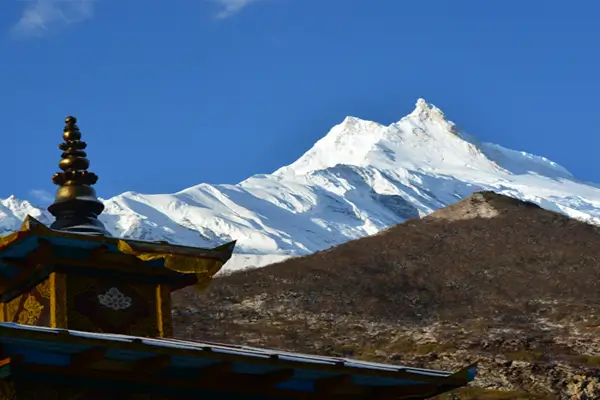
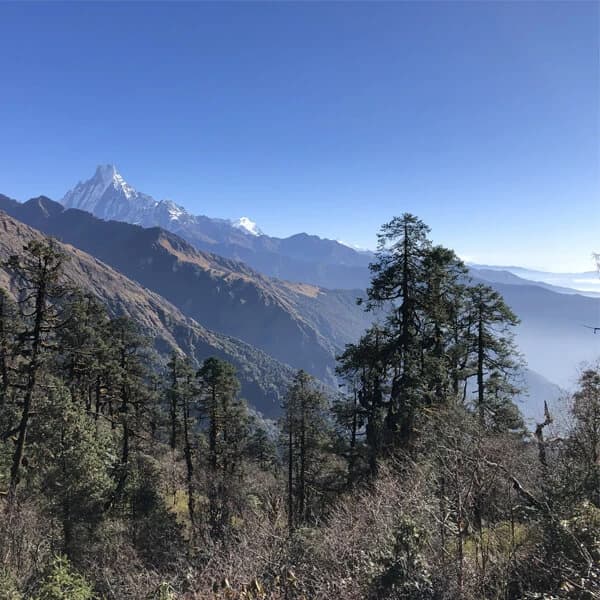
Thinking of hitting Manaslu Trek? Weather can enhance your journey, both in negative and positive way (either make it or break it). Be it stunning sunny view of the Himalayas from the top of Larke-la or a sudden snowstorm to the monsoon triggered landslides, climate of Manaslu can become as dramatic as its mesmerizing landscapes. Understanding the weather of Manaslu is the major step to a successful, sound and unforgettable Himalayan adventure.
Manaslu Trek also known as Manaslu Base Camp Trekking or Manaslu Circuit Trek is one of the major trekking destinations of Nepal that’s gaining its attention due to diverse landscape, centuries old monasteries, rich Himalayan culture, panoramic mountain vistas and a quieter trail that encircles the 8th highest peak: Mt. Manaslu (8,163 m). Falling under the Manaslu Conservation Area, Manaslu Circuit Trek offers the perfect blend of adventure, cultural richness and natural beauty, also stands as off-the-beaten trail in comparison to Annapurna Circuit and Everest Base Camp Trails.
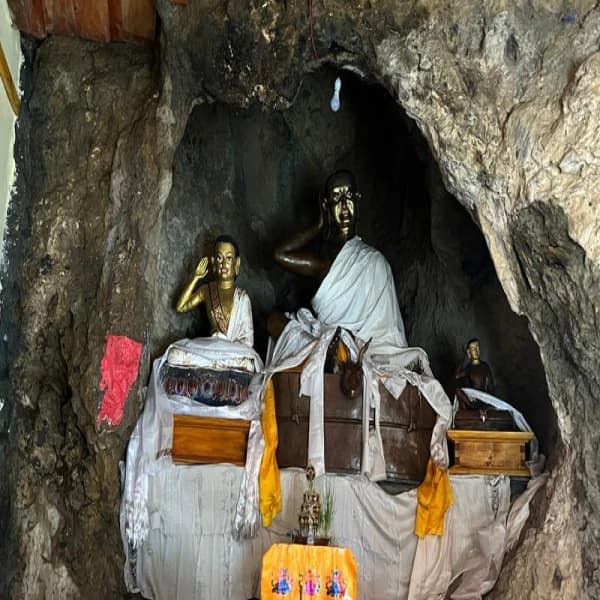
Typically, Manaslu Trek takes 12 to 18 days trek passing through Himalayan settlement of Tibetan Tribes, ancient salt trade route, deep valleys, lush forest, high altitude farmlands. The upper part of the trek is deeply rooted by Traditional Tibetan Buddhism.
Manaslu Weather:
The Manaslu weather condition directly affects your trekking experience. While nobody can be in charge of the weather, you can at least plan your trek considering the usual weather pattern of all months which is listed here below:
Month
Weather
Trekking Condition
Jan- Feb
Heavy snowfall, freezing
High-pass might get closed
March
Cold but improving
Possible but only with a guide
April
Stable
Perfect spring time
May
Clear
Perfect Spring TIme
June
Pre- Monsoon
Humid
July- Aug
Monsoon enters in Nepal
Slippery paths, Landslide
September
Minimal rainfall
Possible with a guide
October
Clear and stable
The Best Month
November
Clear and stable
The Best Month
December
Snow begins
Welcoming Winter
How Seasons and Altitude affect Manaslu’s Weather:
Altitude strongly influences the Manaslu Trek routes. During Manaslu Circuit Trek, you can feel huge climatic variation from 800 m to 5000m. It begins from Machhe Khola (800 m) and goes to Larke-La top (5,106 m) for highest elevation gain. Within the altitude variation you feel tropical to artic climatic zone so, the higher you go the colder you get. Prepare the warm and proper trek gear accordingly.
Here is the approximate Temperature of Manaslu Trek on ascending altitude.
Climatic zones
Altitude Ranges
Summer Temperature
Winter Temperature
Subtropical Zone
1000 m- 2000m
25 degree-30 degree centigrade
8°C – 13°C
Temperate Zone
2,000 m-3000m
15°C – 25°C
-2°C – 6°C
Subalpine Zone
2,000 m – 3,000 m
6°C – 14°C
Often freezing
Alpine Zone
3000m- 4,000m
5°C – -10°C
Often freezing
Nival Zone
4,000m - above
Often freezing
freezing
One of the spectacular Himalayan views is seen on Manaslu Trek but this experience mostly depends on the season as well. Season greatly determines the visibility, temperature, safety and overall experience. While every season has equally promising experiences to offer, understanding the changes of season help trekkers to choose the best time for the journey.
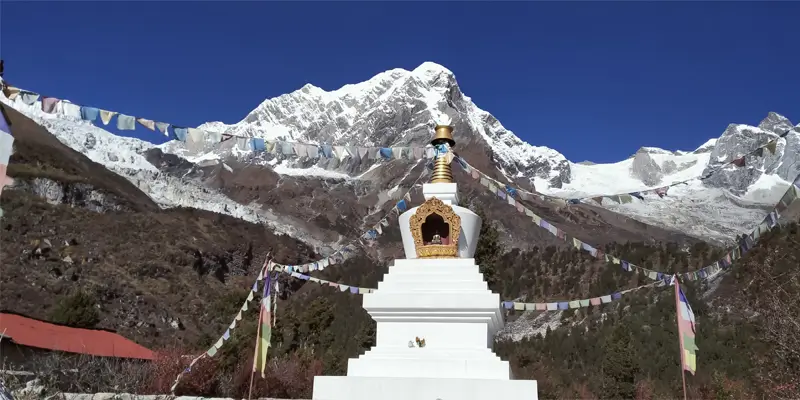
Spring Season: The Springs begins Mid-March till June. This is the second big season for Manaslu trekking and expedition in Nepal.
Manaslu Circuit in Spring
The spring offers blooming flowers, stable weather condition, mild temperature and clearer skies. There’s also high probability of encountering wildlife such as Musk deer, snow leopard and Himalayan Thar.
Caution: Due to the global warming the season has been shifting a month and getting rain and snow blizzard occasionally in spring.
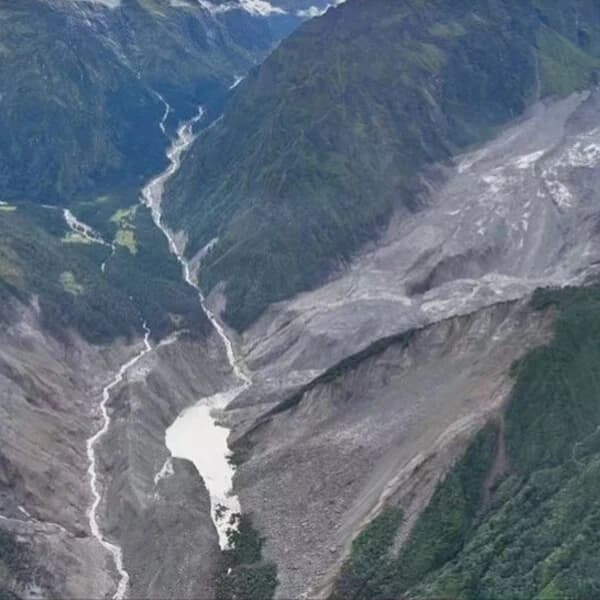
Monsoon Season: The monsoon is heavy in this area inviting the muddy trails, slippery paths, landslides and leeches many times.
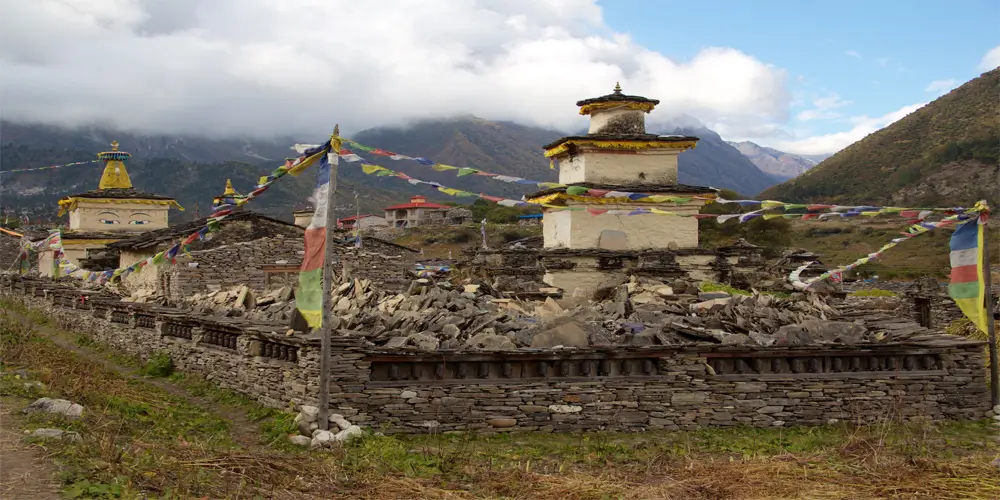
Way to Samdo on a Cloudy Day
However, trek to Manaslu during rainy season offers the great opportunity for cultural exploration, booming wildflowers and quieter trails.
Autumn Season: Autumn is the biggest season for the Manaslu Circuit Trek due to its autumn hues, stable weather, clear skies and mild temperature. If you are interested in stargazing, then autumn season is the best time. During this time, people are busy harvesting rice, barley, wheat, potatoes and Millet. You can see the fields filled with plantation. You can also experience the Daai Festival (locally based harvest celebration traditionally threshing with a bullock) during this time. Make sure to let us know your preference before deciding the time to trek Manaslu route.
Winter Season: January to mid-March is winter season. Manaslu Circuit trek is possible throughout the year, but winter season faces snowing and freezing temperature. The villages above Namrung covered by snow and making the life difficult. If you are trekking in winter, check the weather forecast before you start the journey. For the temperature visit here.
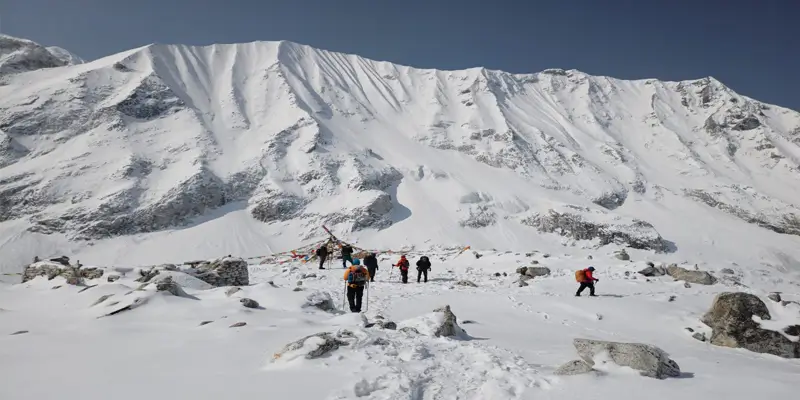
Larke Pass on a Winter Morning
Major weather challenges at Manaslu routes:
Machhe Khola- Jagat: lf you are preparing your trek during the monsoon time, prepare yourself to befriend leeches along the way. Till Jagat, the climate is hot and humid and it’s better to walk on your tshirt and light trouser.
Namrung- Bimthang: The air is dry and the wind hits hard during the evening. Nights are colder and make sure to reach your destination before 4 pm.
Larke- La pass (5,106m): This is the toughest part of the trek. Wear warm clothes, carry microspikes with you as you move downhill towards Bimtang. The maximum temperature might be around 4 degree centigrade falling to -14 degrees during night time. Not to forget, from Larke La (5,106m) top to Bhimtang has scree slope, icy, loose rocks often covered with ice.
What to Do If Manaslu Weather Changes Suddenly?
Changing weather and temperature is a frequent activity of nature in the Himalayan region. Always be mindful on good packing and being guided by a professional guide. A well-trained guide can give you the right suggestion about the lodge and weather. If the weather is bad suddenly while trekking, go to the nearest lodge and stay calm and follow the guide’s advice. If the weather gets worsen, then stop at the same place. It is always advised to have a proper planning in itinerary with few backup days and proper gear to be fully prepared for your adventure in Manaslu. Do not trek alone as it can be dangerous.
Recommendation: Hire a professional guide and porter. Eat healthy food, keep your body hydrated, Check the weather forecast before leaving the camp. Well prepared itinerary with buffer days and emergency preparedness are life savior.
Best time to Trek Manaslu for beginners and experienced trekkers
For the beginners, the best time for Manaslu Circuit Trek is during Spring (April to June) and autumn (October to December). Experienced trekkers can choose to trek Manaslu in winter and raining season as they are physically fit and well prepared to handle cold temperature, snowfalls, rainfall, slippery rocky path and challenging trails conditions. As for the Manaslu Circuit Trek preparation, running, cycling and swimming are considered best training to increase the strength endurance. Experienced Trekker can cover the Tsum Valley and Mu Gumpa adding few days.
Beginner Friendly Season- Autumn
List of Manaslu trekking bagpack:
Good clothing is fundamental requirement for Manaslu Trek in Nepal. Here are the list of gear from upper part till the foot wear. The gear depends on the trekking season and destination. Before packing your items, please ask us.
Head Gear
Sun hat (wide-brimmed)
Beanie (for warmth)
Buff or neck gaiter (for sun protection and warmth)
Lightweight headlamp (with adjustable brightness)
High SPF sunscreen
Lip balm with SPF
Sunglasses with UV protection
Face wipes
Upper Body Gear
Moisture-wicking t-shirts (short and long sleeves)
Thermal base layer (for colder conditions)
Fleece jacket and down jacket
Lightweight puffy jacket (for extra warmth)
Waterproof or windproof jacket (Gore-Tex or similar)
Raincoat
Lightweight, breathable long-sleeve shirt
Polypropylene underwear (four)
Hands Gear
Insulated gloves or mittens (for cold weather)
Waterproof gloves (for wet conditions)
Clothes for Lower Body
Quick-drying pants/trousers with zip-off (convertible or full-length)
Insulated pants (for colder conditions)
Lightweight cotton pants
Thermal leggings or long underwear (for colder weather)
Two pairs of thermal/trekking trousers (pants)
Feet wear Items
Thick Wool or synthetic moisture-wicking socks (4 pairs)
Waterproof, ankle-supportive broken-in full hiking boots (with good traction)
Sandals (for camp use or river crossings)
Gaiters (for protection against mud, water, and debris)
Crampons/spike
Toiletries
Biodegradable bar soap
Toothbrush and toothpaste
Medium-size drying towel
Wet wipes or hand sanitizers
Toilet paper (In a Ziplock bag)
Feminine hygiene products
Travel-sized shampoo
Nail clippers
Small mirror
Comfortable Backpacks
Duffle bag (capacity of over 60 liters) for porters
Backpack or daypack (capacity 20-30 liters) for yourself
Accessories
Adjustable and lightweight poles (preferably collapsible)
Water bottle or bladder with a capacity of at least 2 liters (insulated for cold weather)
Water purification system (tablets, filter, or UV purifier)
Sleeping bag (-10 to -15 degrees is the best)
Extra Items
Camera/smartphone (extra memory cards and batteries)
Extra batteries or rechargeable power bank (for charging devices)
Two-pin charging plug
Basic first aid supplies (band-aids, antiseptic wipes, pain relievers, Diamox)
Personal medications (inhalers, allergy meds, etc.)
Few passport-size photos
Passport photocopies
Notebook and pen
Binoculars
Swiss army knife or multi-tool (with scissors, can opener, etc.)
Manaslu Essential Gears by Season
Spring and Autumn: Light down jacket, layering system, multiple light t-shirts during day hikes
Winter: Heavy Down Jacket, Crampons and thermal layers
Monsoon: Waterproof jacket and trouser, easy-to-dry clothes, gaiters
The Manaslu Trek weather and Temperature varies on elevation and geographical terrain. For the standard atmosphere, the temperature ranges by 6 degree Centigrade in every 1000 m. A proper preparation, good gear, determination and a local trekking guide is compulsion for the Manaslu Circuit Trek as it falls within Restricted Area in Nepal. Only local trek company can issue the permits, single trekker not allowed for Mananslu trek. Your local travel partner Global Eco Trails is available 24/7 to help you plan a safe, legal, and unforgettable Manaslu Trek—feel free to contact our trekking experts anytime
The Tsum Valley Wilderness Trek is one of Nepal's most rewarding off-the-beaten-path journey. Geographically, situated between Mt. Manaslu and Ganesh[...]